Coconut & cumin mung bean thoran

Posted in: DF, LF, S, SF, Uncategorized, V, WF

Mung beans can have a bad rep, often associated with flower-powering, free-loving, sixties stoners. This is a little unfair, I feel. When cooked, mung beans are as versatile as a toddlers bowl of penne pasta, with enough bite to woo the most discerning Italian. They’re also insanely good for our digestion. In fact, this thoran (a traditional recipe wouldn’t have garlic) was developed specifically for my lethargic Indian stomach by Keralan (medicinal) chef, Raheem – Delhi belly’s just one Indian holiday affliction apparently. Packed with cleansing and anti-bloat ingredients, this is my go-to skinny stomach smoother. It’s also a supper club and yoga holiday favourite; I’m yet to feed it to anyone who doesn’t go back for seconds, hence blogging it here.
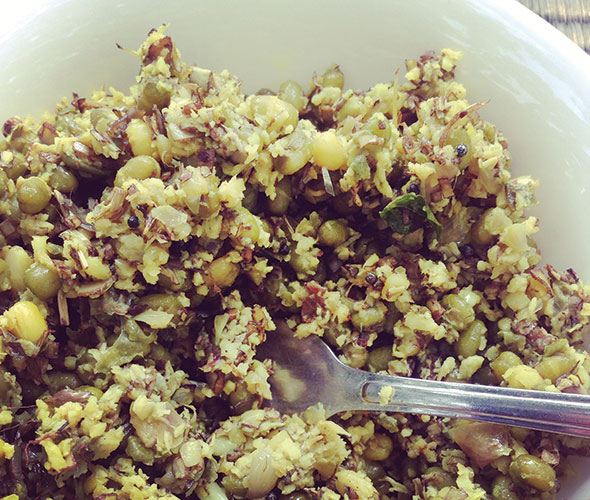
mung-bean-thoran

Feeds 4 – 6

Ingredients

200g mung beans
2 tbsp coconut oil
4 tsp mustard seeds
4 tsp cumin seeds
2 red onions, chopped
4 – 6 cloves garlic, chopped, depending on your taste
100g spinach, chopped
6 tbsp desiccated coconut
½ tsp turmeric
Salt to taste, I like Himalayan pink or sea salt

Method

Soak mung beans overnight. When ready to cook, set to boil until tender yet still with a bite. Add salt when water comes to boil, not before. Set aside.

In heated coconut oil, fry mustard seeds over a medium heat until begin to pop. Follow with cumin, garlic and onion, turn up the heat and sauté until onions turn translucent and start to brown.

Tip in desiccated coconut, followed by mung beans and turmeric. Fold through spinach, cook for a couple of mins and serve. I like this as a light supper or lunch, just as it is, or alongside other salads or my Prawn, coconut & tamarind curry.

Tip: It’s said that turmeric loses it’s medicinal powers (anti-bacterial) when burnt or overcooked, always add at the end of a recipe.
 

From the streets: Coconut oil

Posted in: DF, Featured, Reviews, S, SF, Uncategorized, V, WF

Wholesome Seduction has featured a few recipes containing coconut oil recently so I think it’s time to explain my (and the UK’s) latest love. Apart from transforming sweet potato wedges into sticky and crispy comfort food, the health benefits of this miracle fruit (botanically a drupe) are so extensive, fitness gurus are eating the oil by the dessert spoon. Literally.

Virgin-Coconut-Oil

For the full lowdown find out why I fell in love here. Think metabolism boosting, energy sustaining, bacterial and viral infection fighting and apparently, weight loss!

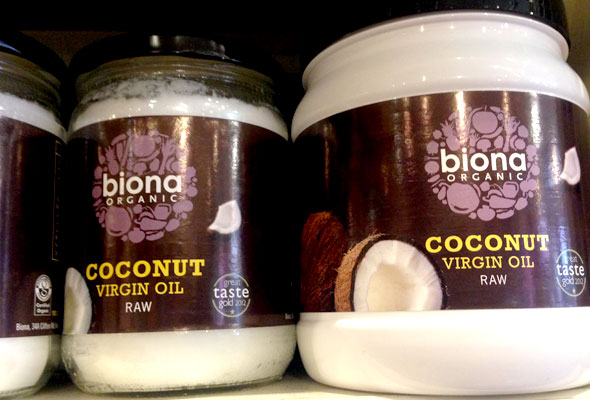
There are countless raw or virgin varieties available in wholefood shops. Unfortunately, at £10 a pop they don’t come cheap. There’s now a ‘cuisine’ (non raw / refined) option for a fiver which makes sense if you’re cooking.

What’s the difference? In all honesty, I attribute most of the (crazy £10!) cost to marketing and fashion. South India’s awash with palm trees and the smell of dosa (a kind of breakfast pancake staple) being fried in coconut oil. A year’s supply wouldn’t even set Amma back a tenner. Having said that, there is something in the raw / virgin tag line.

Refined vs. raw coconut oil

Virgin-vs-Refined-coconut-oil

All coconut oils are refined as the oils need to be extracted from the whole fruit; raw has just been less so. As goes with the raw argument, such foods are said to retain higher levels of their nutrients and antioxidants. The (more) refined version doesn’t alter the medium chain fatty acids so still ticks all the virtues that make this a Storehouse Seducer.

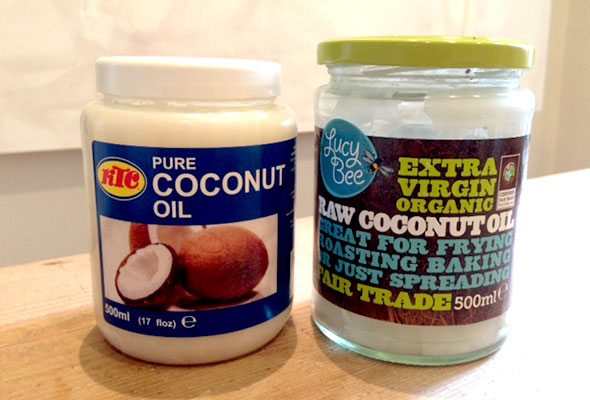
I stock up on £2.50 tubs of KTC, an Indian brand, when I can get them. Note: KTC (above) is more easily found by the bottle but given the oil sets outside of tropical climates, not ideal as it can’t be poured. #globalsalesstrategy #fail

Since I sub other oils for coconut wherever taste is either improved or uncompromised, I go through quite a bit so use two types: Raw for energy balls, shakes and spreading on toast, and KTC for scrambled eggs (yep), roasting and frying kale and fritters. The good news: many dishes taste infinitely better. When cooked, coconut oil has a creamy flavour and adds a crispiness that would turn the local chippy green with envy.

KTC: £2.50 from Asian shops and Tesco World Food aisle. Biona and Lucy Bee: £9.95 from Wholefoods or Planet Organic. Biona Cuisine: £4.95 from Wholefoods. Amazon also has slightly cheaper bulk buying options and rumour has it Lidl plan to get in on the cut price action.


Some more coconuts:

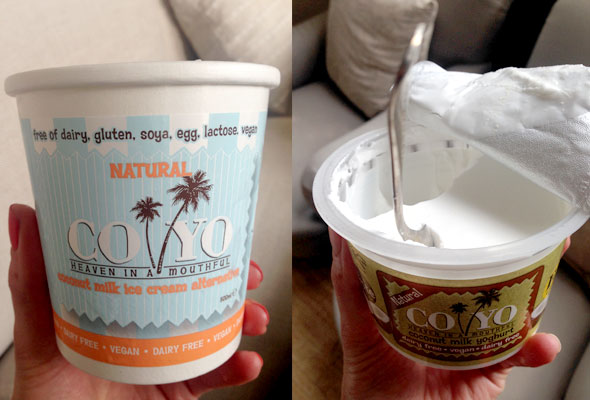
For the purpose of this post, I’ve focussed on the oil, but actually, so extensive are this drupe’s merits, it comes in every imaginable incarnation: dairy free ice cream (amazing), yoghurt (ditto) and of course, the water celebrities practically bathe in.

CoYo

Invo-Coconut-water

All of them at prices requiring a conversation with the bank manager. Who’d have thought this stuff grows on trees?


Storehouse Seducer: Coconut oil

Posted in: DF, S, SF, Uncategorized, V, WF

MOST ATTRACTIVE FEATURES

This one’s a keeper like no other. Said to boost energy levels and metabolism (cue: calorie burn) and promote thyroid health and weight loss (tall order…). It can fight bacterial, viral and fungal infections including candida; there’s even evidence to suggest the effect of Alzheimer’s may be reduced and type 1 and 2 diabetes improved.

green-coconut

Athletes and fitness freaks dollop it in their shakes for sustained energy levels. And beauty experts smother it on their skin and hair to combat skin conditions and maintain glossy locks. Coconut oil is indispensible inside and out it seems.

WHY I FELL IN LOVE

By no means a new kid on the block, coconut oil won South East Asian hearts centuries ago. Catching on to the countless virtues, it now seems there’s not a health or fitness savvy man or woman in the UK who can live without their daily fix.